
Open reviews

Team review

Every trade issue is reviewed in a team meeting, ensuring a transparent discussion and avoiding repeat mistakes.

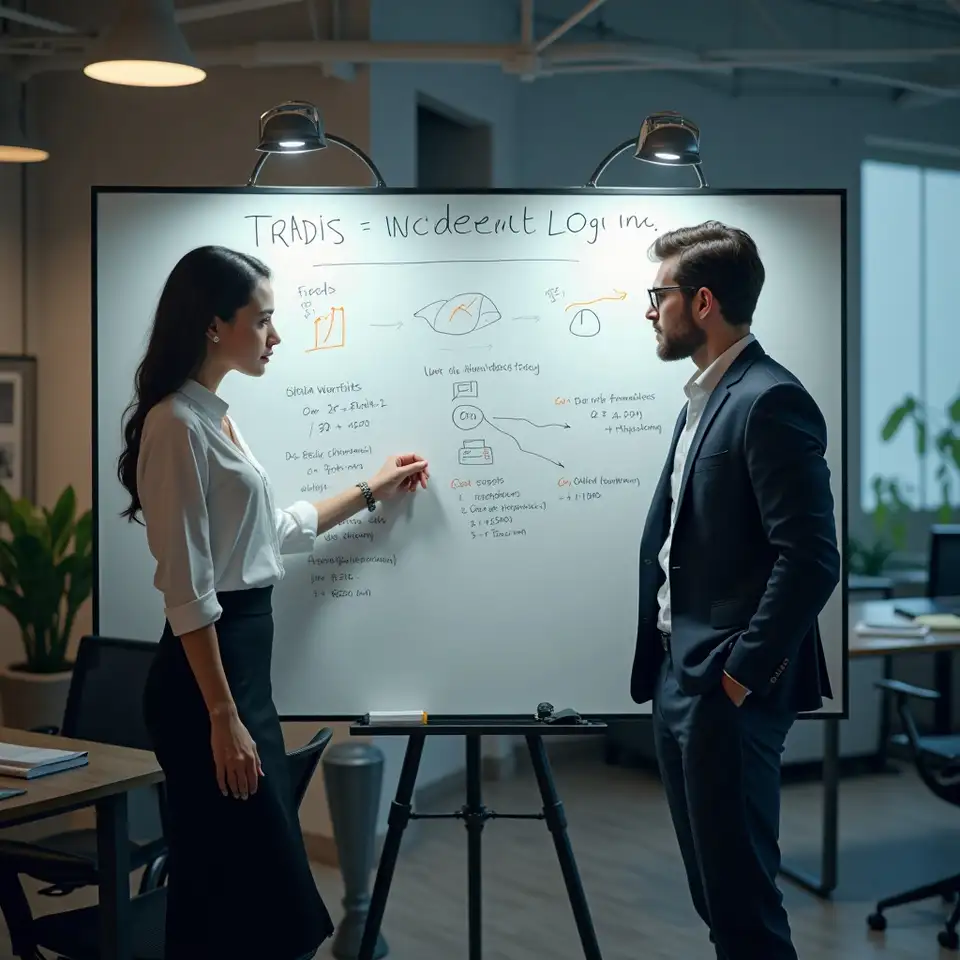
Team in incident review meeting
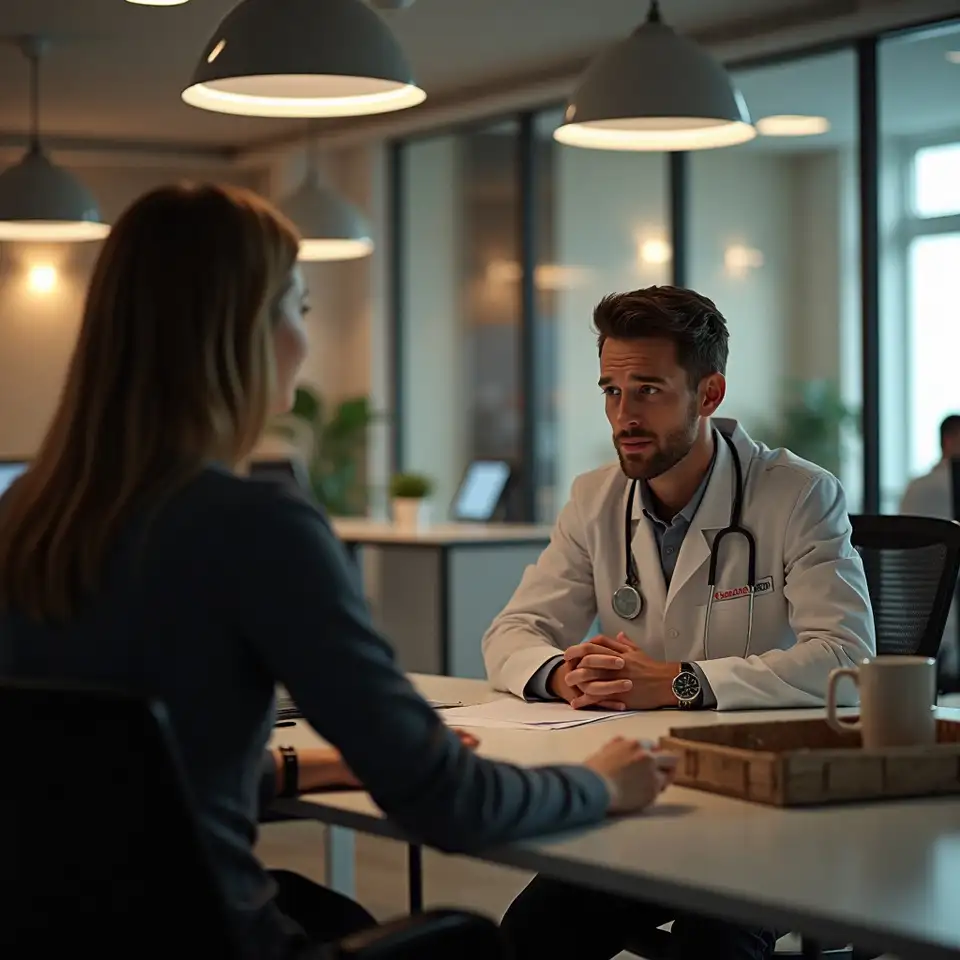
Client involved in review

Client involvement

Clients are invited to participate in the review process, giving them direct insight into our method.

Incident sharing

Incident documentation is shared internally, and significant findings are flagged for workflow updates.

Quarterly retrospective

Every quarter, we conduct a retrospective to assess what’s changed and identify patterns in reported issues.

Turning setbacks into learning

Mistakes in international trade are rarely simple. A missed customs code or unclear contract clause can spiral into days of delay. Our Oslo team believes in facing these head-on. We don’t hide errors—we log them, analyze the root cause, and share the findings across every department. Clients aren’t shielded from these lessons; instead, we invite them to join the review process. Our method is to document every step and share what we learn, so the same mistake is never made twice. Transparency builds trust and, ultimately, more predictable cross-border results.


How we follow up

Logging a customs incident
1

Customs incident log

We log every customs issue, documenting the cause and sharing it internally so others can learn from it.

2

Rapid response

When a client raises a red flag, we investigate and communicate findings within one business day.

Aftercare process

Our aftercare process means following up with all parties—customs, logistics, clients—after delivery.

Process improvement

Lessons learned from each incident are added to our growing database, informing our next round of process improvements.

Case log in action

Our Oslo team documents, reviews, and learns from every trade challenge

Our problem-solving process

When things go wrong, we dig until we understand the cause
It’s easy to believe that trade documentation is just paperwork—until a shipment is stuck at the border, and we’re left explaining to a client why their goods didn’t arrive. We know the feeling because we’ve made those calls ourselves. Our Oslo team’s approach is shaped by these hard lessons. Every member is encouraged to question the obvious, double-check the fine print, and challenge each other’s assumptions. We keep a log of every issue and trace its origin, sharing new insights across the team. No one here claims to have all the answers, but we do have a process for finding them. Transparency, documentation, and follow-up: those are the pillars we lean on when things go sideways.
Team reviewing problematic case

How we learn from our own mistakes

Why our Oslo office keeps a case log

We treat every problem as a learning opportunity. That means documenting mistakes, reviewing them as a team, and building better systems from what we find.

Our process is iterative. The more we document, the better we get at spotting the next issue before it disrupts a shipment.

Every member can raise a concern, no matter how minor it seems.

We log each incident and trace its origin for future reference.

Continuous improvement is not a slogan—it’s a meeting agenda.

Case review after delivery issue
Learning from every issue

Need a second opinion?

Real-time transparency builds trust

When a shipment is delayed or paperwork is challenged, we believe in rapid, honest communication. Our Oslo advisors provide clients with a real-time review, outlining the cause, impact, and recommended fix.

Request review
We use cookies to analyse site traffic, personalise your browsing experience, and support essential website functions. By continuing to browse or by clicking 'Accept all', you consent to our use of cookies as described in our policy.